About Electroslag Remelting Mould Esr
Electroslag Remelting Mould Esr
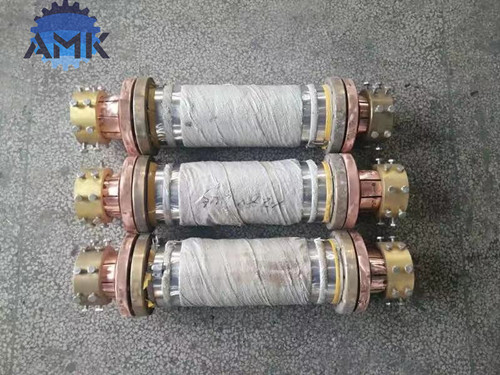
Electroslag Remelt Furnace Spare Parts
Electroslag remelting products have many varieties and a wide range of applications. Its steel grades include: carbon steel, alloy structural steel, bearing steel, die steel, high speed steel, stainless steel, heat resistant steel, ultra high strength steel, high temperature alloy, precision alloy, corrosion resistant alloy, electrothermal alloy, etc. more than 400 steel Kind. In addition, the electroslag method can be used to directly cast the special-shaped castings, which can be cast forging, simplify the production process, and improve the utilization rate of the metal.
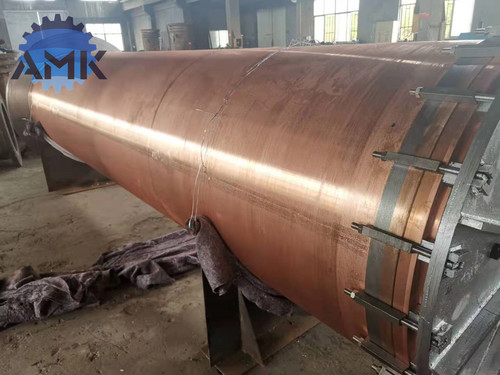
For ESR copper mould tubes, it could be supplied as welded or forged.
The material
1. TP2 also known as M1,CU-DHP or SF-CU DIN 1787, is for welded type
2. T2 also known as M1, ASTM C11000 or DIN E-CU58, is for forged type
Advanced Materials for Optimal PerformanceManufactured using high-quality, wear-resistant steel alloys or water-cooled copper, ESR moulds are engineered to tolerate extreme temperatures and maintain durability through repeated use. H13 and 4Cr5MoSiV1 steel ensure robustness and reliability for the demanding Electroslag Remelting process.
Precision Engineering for Custom ApplicationsEvery ESR mould is machine-finished and polished to guarantee high dimensional accuracy and customizable tolerances. Shapes, including cylindrical and rectangular, are tailored to client specifications, supporting various ingot sizes and designs required for specialized steel and alloy production.
Long-lasting Reliability and FlexibilityWith long service life under recommended operating conditions and adaptability for different ingot capacities, ESR moulds provide excellent thermal conductivity, precise manufacture, and resilience. Their non-powered nature allows straightforward integration into existing ESR setups in metallurgical plants.
FAQs of Electroslag Remelting Mould Esr:
Q: How are Electroslag Remelting (ESR) moulds utilized in the remelting process?
A: ESR moulds serve as containment vessels for molten metal during the Electroslag Remelting process, where they maintain the shape and integrity of the ingot while supporting efficient heat transfer for high-quality refining.
Q: What materials are used to manufacture ESR moulds for durability and performance?
A: ESR moulds typically use high-quality, wear-resistant steel alloys like H13 or 4Cr5MoSiV1, and may also incorporate water-cooled copper or steel to ensure both durability and optimal thermal conductivity in high-temperature operations.
Q: When should ESR moulds be replaced or serviced during operation?
A: ESR moulds offer long service life when used under recommended conditions. Replacement or servicing is generally required after signs of significant wear, thermal fatigue, or loss of dimensional accuracy, ensuring consistent production quality.
Q: Where are ESR moulds typically applied in the metallurgical industry?
A: ESR moulds are commonly used in metallurgical plants and facilities involved in special steel and alloy production, particularly where high-purity ingots and superior microstructural properties are required.
Q: What is the process for customizing ESR moulds to specific ingot shapes and sizes?
A: Customization involves specifying desired shapes (cylindrical, rectangular, etc.) and dimensions according to client requirements. Precise machining and polishing ensure the mould meets exact tolerances for optimal ingot formation.
Q: What are the main benefits of using ESR moulds in metal refining operations?
A: Main benefits include high-temperature resistance, precision machining, customizable sizes and tolerances, excellent thermal conductivity, and a long operational lifespan, delivering consistent quality in metal refining applications.





 Send Inquiry

