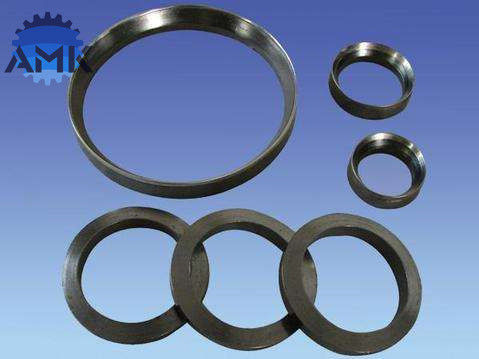
About Graphite Ring
Graphite Ring
- Thermal stability: special design to ensure the quality
- Corrosion resistance: Even and fine matrix to postpone the corrosion
- Impact resistance
- Acid resistance : add special material to prolong the performance life
- High thermal conductivity
- No pollution to the metal: strict control to the raw material
- Stable quality
Versatile and Customizable Sealing SolutionOur graphite ring offers flexibility in design with customizable dimensions to meet diverse industrial requirements. Its adaptability ensures optimal fit for a wide spectrum of sealing applications, both static and dynamic, supporting reliable performance across varied operating environments.
Engineered for Extreme ConditionsManufactured from pure graphite, these rings exhibit remarkable resistance to high temperatures ranging from -200C to +650C in oxidizing atmospheres and up to +3000C in non-oxidizing conditions. They maintain integrity and performance under high-pressure applications, ensuring safety and efficiency.
Enhanced Durability and PerformanceWith excellent fire resistance, low ash content (<0.5%), and a compression ratio of 1520%, the graphite ring demonstrates outstanding durability. Its self-lubricating, flexible, and corrosion-resistant properties contribute to a long service life, making it a cost-efficient and reliable choice for demanding industrial tasks.
FAQs of Graphite Ring:
Q: How is the graphite ring used in sealing applications?
A: The graphite ring provides an effective seal in both static and dynamic applications, commonly installed in valves and pumps within chemical and petrochemical industries. Its flexibility and high compressibility enable it to conform tightly to surfaces, preventing leaks even under high pressures and temperatures.
Q: What are the key benefits of choosing a pure graphite ring for industrial purposes?
A: Pure graphite rings offer excellent chemical resistance, high thermal conductivity, and superior fire resistance. These properties ensure reliable sealing even in corrosive and high-temperature environments, making them ideal for demanding applications requiring minimal maintenance and extended operational life.
Q: When should I select a flat versus a spiral wound graphite ring?
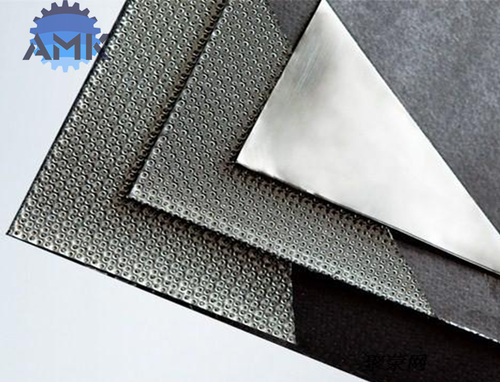
A: Flat graphite rings are generally used for static sealing where loads are uniform. Spiral wound rings are engineered for dynamic sealing, accommodating fluctuations in pressure and temperature. Your choice depends on the applications specific sealing requirements and operational dynamics.
Q: Where are these graphite rings typically installed?
A: These graphite rings are widely adopted in chemical, petrochemical, and other process industries for sealing in valves, pumps, and similar equipment. Their adaptability to various custom sizes means they are suited for both new installations and replacement in existing machinery.
Q: What is the manufacturing process and finishing for the graphite ring?
A: The rings are manufactured using high-quality pure graphite, shaped either flat or spiral wound as per the clients specifications. No additional surface treatments are applied; they feature a natural graphite finish, preserving their inherent thermal and chemical properties.
Q: How does the ash content affect the rings performance?
A: With an ash content of less than 0.5%, these graphite rings minimize the risk of contamination and maintain their integrity in high-purity and high-temperature applications. This low ash level contributes to consistent performance and reduced wear over time.
Q: What packaging options are available for shipping these graphite rings?
A: Graphite rings are securely packed in either boxes or cartons, ensuring protection during transit. This packaging method maintains their quality, preventing damage and contamination before installation.





 Send Inquiry

